

Wendell Berry 1934-2026
4 September 2026
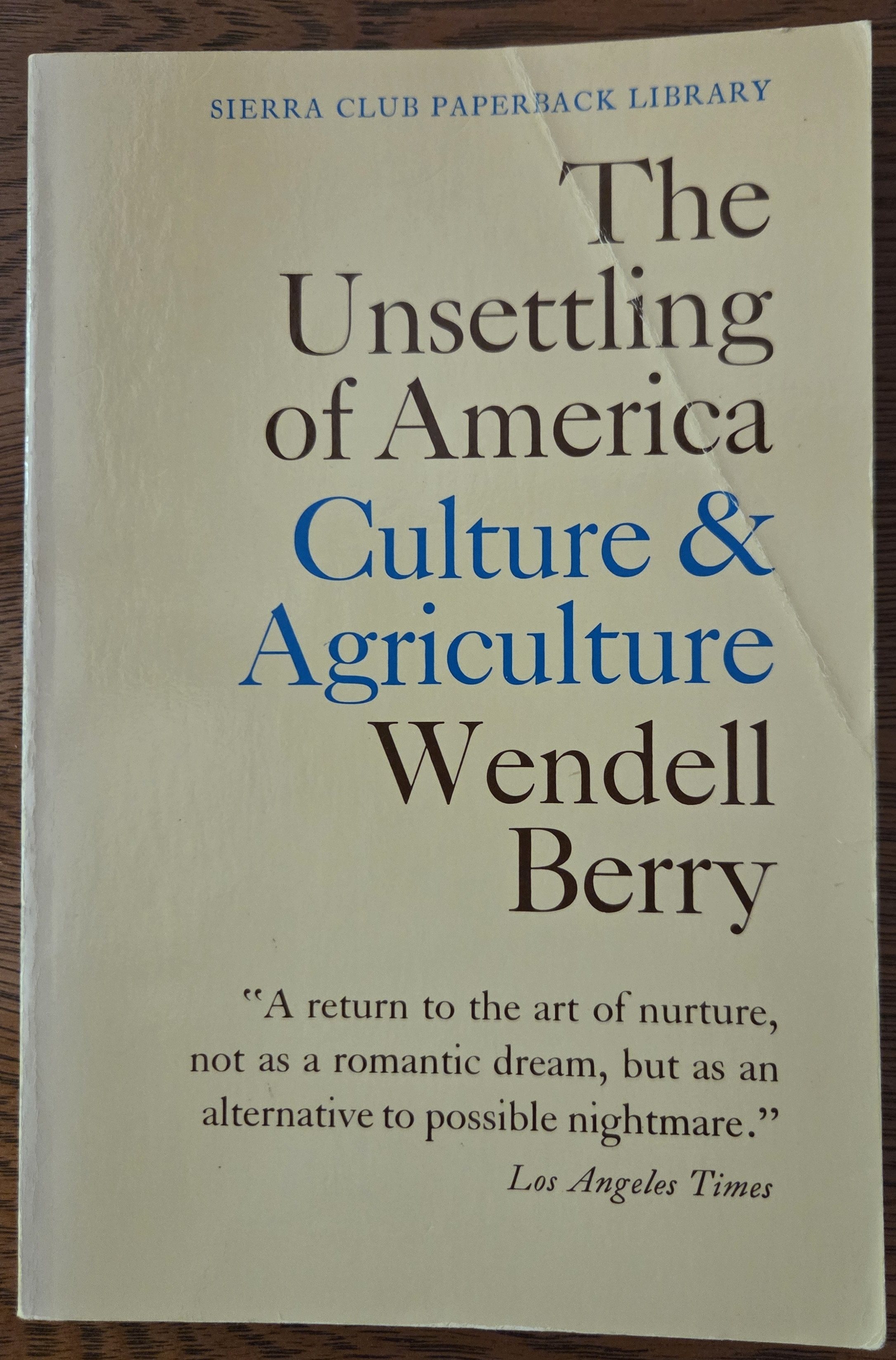
I was saddened today to learn of the passing of Wendell Berry, the Kentucky writer, poet, farmer, and just about everything else. I never met him but even so he had an outsized influence on my life.
Early in my time as a new PhD student in the Department of Agricultural Economics at Purdue, a grad student friend in the Biology Department gifted me a copy of Berry's book "The Unsettling of America: Culture & Agriculture".
A not insignificant part of that book is devoted to calling out Purdue, and specifically the Department of Agricultural Economics, and even more particularly the very first PhD graduate of that department, Earl Butz.
It was wild reading a completely different perspective on the work carried out in my department, and what it meant to farmers and rural communities. To say that reading that book engendered doubt in what I was doing is an understatement.
I struggled through the program and eventually finished. But it's hard to sell yourself when you don't believe in what you're doing. After leaving Purdue I spent six months working in a warehouse and another six months working in a hospital stockroom.
I remember receiving a salary survey from Purdue during that time. My guess is that they were looking for graduates who made the kind of money that Purdue could brag about when selling their programs. I answered honestly, listing my minimum wage salary, and never got another survey again.
And so it went. "Overqualified" for regular jobs, and trapped by other circumstances, unable to move elsewhere for some other opportunity. But if I hadn't pursued that degree, I would have always wondered if I should have. And in the end, I was able to make a living and pay my bills, just.
So while Berry's book sort of cut my legs out from under me, it also probably saved me from a more "successful" life doing things that I shouldn't have, and no longer, believed in. So, in spite of it all, I'm grateful for that. Thanks, Wendell. RIP.
EcoIndiana Improvements
12 August 2026
EcoIndiana is liberally salted with invitations to contact me with suggestions, criticism, corrections, and other feedback. But I almost never hear from anyone. So, as I don't get any feedback from humans, I decided to ask Google AI for suggestions on how to improve the site. Here, in italics, is what it had to say. Have a different take? You know how to get in touch.
To make EcoIndiana a more effective resource for modern hikers, researchers, and conservationists, the website would benefit from updates addressing its technical infrastructure, data presentation, and user experience.
Modernizing the User Interface
Responsive Layout: Rebuild the site using modern CSS frameworks (like Bootstrap) so text and tables scale seamlessly on smartphones for on-the-trail use.
Streamlined Navigation: Replace dense alphabetical lists with modern dropdown menus, search bars, and filtering options (e.g., filter by region, trail length, or features like waterfalls).
Enhanced Typography: Update the font choices, line spacing, and color contrast to improve readability for dense data blocks and historical articles.
Upgrading Mapping and Geospatial Data
Interactive GIS Maps: Transition away from static county image maps to embedded, interactive maps using open-source tools like Leaflet or Mapbox.
Downloadable Coordinates: Add downloadable GPX or KML files for trailheads so hikers can load precise route coordinates directly into their personal GPS devices or phones.
Visual Trail Previews: Integrate crowd-sourced photography or official trail map PDFs directly onto individual property profile pages.
Data Expansion and Community Integration
Automated Event Feeds: Connect the events page to regional land trust RSS feeds or Google Calendars to display real-time local volunteer opportunities without manual entry.
Community Contribution Portal: Implement a secure submission form where local hikers can submit trail condition updates, parking closures, or missing data points.
Live RSL Sorting Tools: For the chemical screening levels archive, convert static PDFs and HTML text tables into searchable, sortable database tables to let researchers quickly isolate specific contaminants.
Operational Sustainability
Multi-Admin Model: Expand the site's management from a solo project to a small volunteer committee or partnership with an Indiana university to share the workload of data verification.
Clear Crowdfunding: Add a clear, non-intrusive donation portal (like Ko-fi) specifically to cover hosting fees and software tools, keeping the site ad-free while funding technological upgrades.
My own take? I understand and agree with some of this, and might even be able to implement a percentage of what I understand and agree with. Other bits seem unnecessary or just a ton of work for uncertain benefit. If I can figure out how to do it, I may try to set up and post a survey to see if I can get any feedback from live humans. Worth a shot, I suppose.
Happy Birthday
8 April 2026
It's difficult to believe that I launched EcoIndiana almost 30 years ago. My "official" start date is May 27, 1996, though I wouldn't swear to the accuracy of that.
I started the site because I thought that information about Indiana's Superfund sites should be on the web, and I couldn't find any there. So, I posted some material gleaned from EPA documents. I followed that with some information about toxic chemicals excerpted from documents published by the Agency for Toxic Substances and Disease Registry. From there it branched out into brief profiles of a few favorite natural areas, some plants and animals found around the state, and a list of local environmental organizations. When I could, I provided links to the nascent websites of organizations, and in many other cases I excerpted material from brochures and other publications produced by those groups, so that I unofficially hosted "pages" for some of them.
My original host was America Online, and the entire site had to fit in two megabytes, so I kept it as simple and small as I could. Tiny, compressed pictures, small files, tightly edited text. Cramming everything in was a challenge.
At the time, there was very little like it, and the EcoIndiana site got quite a few visitors, even from other states and countries. I'd routinely get emails from people expressing their thanks for making information available even before EPA and some other governmental entities got their websites fully underway. It was gratifying and a lot of fun.
With time, I had a kid, got divorced, had to move, and went through many other experiences that changed my perspective and had a significant effect on how I could spend my time. So EcoIndiana ebbed and flowed with all of that. But it's still here, thirty years later, and as I approach retirement I hope to put more time into it, mostly because I still derive satisfaction from it. I get statistics reports from the company that hosts the site showing that EcoIndiana still gets a fair amount of traffic, but I have no idea whether visitors are real human beings or bots, because I almost never hear from anyone anymore.
No matter. It seems likely I'll keep at it until I'm no longer able to do so, at which point it'll fade into the past as all things do. Anyway, it's been great and I hope to continue for a while yet. Thanks for stopping by!
Indiana Senate Bill 277 Passes, and Better News
28 February 2026
The 2026 Indiana General Assembly has passed Senate Bill 277, the so-called IDEM Agency Bill. Much could be said about this, but for now I won't be saying it.
In other better news here in central Indiana large flocks of Sandhill Cranes are passing overhead as they make their way to points north. Closer to earth, Skunk Cabbage is in bloom. These flowers (below) sometimes push up through snow and slush, and they emit a certain amount of heat. That heat, along with the aroma for which the plant is in part named, attracts tiny insects that help pollinate the flowers.
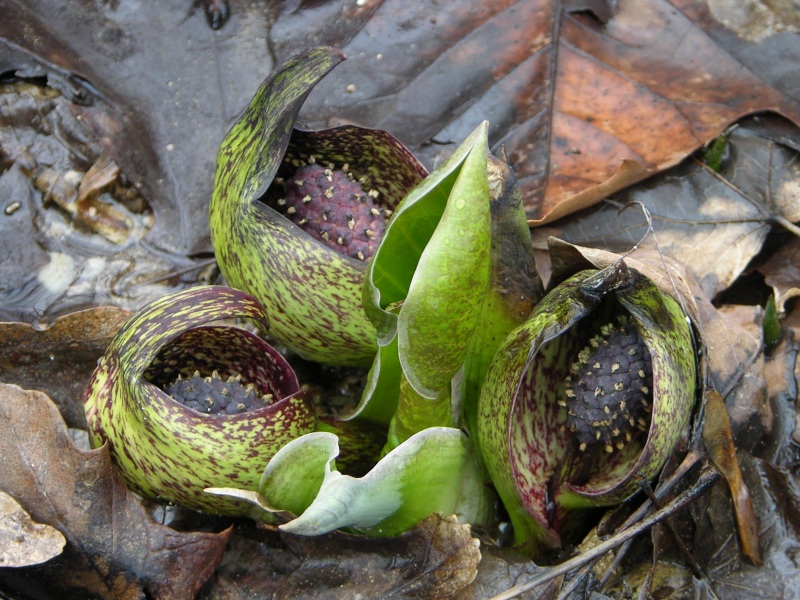
If Skunk Cabbage isn't our earliest-blooming native spring wildflower, it is certainly one of the first to show up. These plants favor wet areas, often in large colonies. After flowering they grow to considerable size, maybe two or three feet across, perhaps looking a bit like cabbages of a sort. (see below)
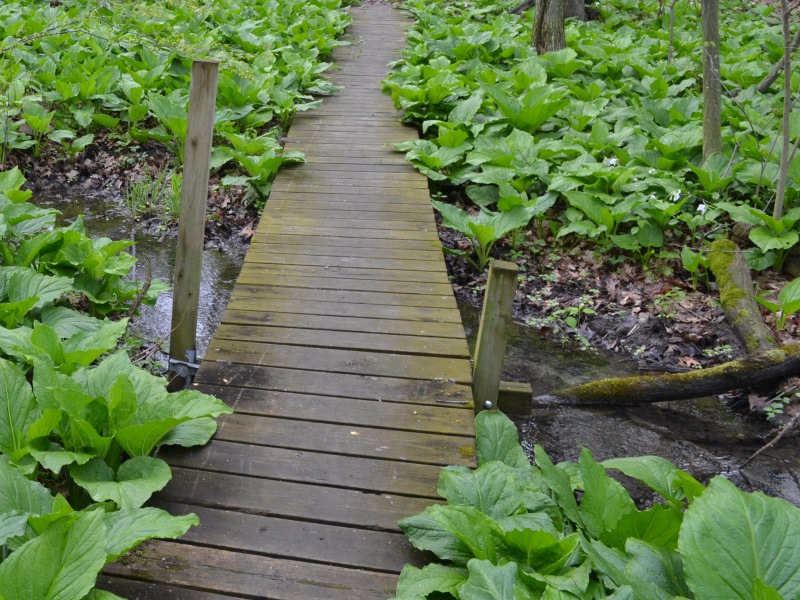
Skunk Cabbage may not sport the most attractive wildflowers in Indiana, but they are a harbinger of spring, and I'm always glad to see them.
2026: Proposed Legislation, So Far
11 January 2026
The 2026 Indiana General Assembly is in session, and as always they're busy proposing all sorts of things - something like 700 bills so far.
Here are some bills that have an environmental angle, and that caught my eye. No doubt more are on the way, as are changes to these.
Senate Bills
SB 17: Air Quality
Authorizes a town, city, or county to establish or designate an agency to act for the town, city, or county as a local air pollution control agency (agency). Requires the commissioner of the department of environmental management (department) to enter into a contract with the agency of a town, city, or county if the agency is willing to enter into the contract. Provides that a contract between the department and the agency of a town, city, or county must: (1) require the department to advise, consult, cooperate with, and provide technical assistance to the agency; (2) authorize the agency to undertake air pollution control activities on behalf of the department or initiate enforcement of ordinances of the town, city, or county; and (3) provide for the payment of fair monetary compensation for the air pollution control activities performed by the agency. Provides that: (1) the compensation paid to an agency under a contract must be at least sufficient to cover the agency's staffing and operating costs; and (2) the rate of compensation must be adjusted each year according to changes in the Consumer Price Index.
SB 164: Study of community or urban microfarming
Requires the department of agriculture (department) to conduct a formal study in collaboration with certain persons to evaluate the feasibility of establishing community or urban microfarm zones statewide. Requires the department to submit a report to the general assembly containing certain findings and recommendations not later than July 1, 2027.
SB 174: Various health matters
Prohibits a person from adding a chemical to a public water supply in certain circumstances. Defines "medical intervention" and provides that a person may not require an individual to accept, undergo, or engage in a medical intervention in or on the individual's body as a condition of employment, entrance, admission, compensation, benefits, or participation. Provides that a person may not take a punitive measure against an individual because the individual refused to accept, undergo, or engage in a medical intervention in or on the individual's body. Allows an individual who suffers bodily injury as a result of a violation of these provisions to file an action. Provides that a person who knowingly or intentionally causes bodily injury to another person by violating these provisions commits battery, a class B misdemeanor, enhanced to a level 5 felony if the offense constitutes a violation of the right to bodily integrity. Allows an individual to sell certain meat products from the individual's primary residence. Establishes various requirements for an individual to sell certain meat products from the individual's primary residence. Exempts a stand or another retail building used only for the sale of certain food products or meat products from the definition of a Class 1 structure. Provides that a student enrolled in a health profession education program may not be required to receive an immunization as a condition of: (1) participating in; or (2) obtaining; clinical training or clinical experience required by the program if receiving the immunization is against the student's conscience. Amends the information that the statewide child fatality review committee and statewide maternal mortality review committee must include in each committee's annual report. Provides that a physician may not be required to receive an immunization if receiving the immunization is against the physician's conscience. Provides that a health care provider, health care entity, and a health carrier may not be required to provide or refer an individual for a health care service that violates the conscience of the health care provider, health care entity, or health carrier. Establishes an exception for a health carrier. Specifies that a health care provider, health care entity, or a health carrier may not be subject to discrimination and certain other acts and liability for declining to provide the health care service. Establishes a civil action for a violation of these provisions. Provides that a person who prevails in a civil action is entitled to certain relief. Requires a licensed child care center, school, and person that operates a before or after school program to report the ingredients of each food product provided to a child or student. Requires the division of family resources and the department of education to publish the information on each agency's website. Allows a school corporation to contract with a health care provider, health system, or community partner to establish a school based health center (center). Sets forth requirements to establish a center. Provides that, notwithstanding state or federal law, a school may not conduct a physical or mental assessment or treatment of a student unless the physical or mental assessment or treatment is related to an illness or accident that occurred during school hours or on or near school property. Repeals certain superseded laws, including provisions concerning immunizations, communicable diseases, potentially disease transmitting offenses, quarantine, medical testing, disqualification for unemployment benefits, and COVID-19 immunization requirements. Makes conforming amendments.
SB 224: Department of natural resources
Defines various terms. Amends the following definitions: (1) Fund. (2) Wildlife. Removes the following definitions: (1) Harvest season. (2) License. (3) Selling season. Makes various changes to natural resources commission procedures. Makes various changes to the department of natural resources (department) powers and duties. Removes coordination between the Indiana natural resources foundation and the President Benjamin Harrison conservation trust program. Reduces the Benjamin Harrison conservation trust project commission from 20 members to 17 members and amends who is appointed to the commission. Removes the hometown Indiana grant program. Amends various boating and wakeboard regulations. Raises the financial threshold for certain actions in a boating accident from $750 to $2,000. Raises the financial threshold for certain actions in an off-road vehicle accident from $750 to $2,500. Requires the state land office to approve the legal description of a utility easement. Requires a person to file a utility easement with the state land office after the easement is recorded in the county. Provides that the department shall charge a fee for a utility easement and put fees in the President Benjamin Harrison conservation trust fund. Creates an exception for a fee for a utility easement. Provides expiration terms for an archeology plan or development plan authorized by the division of historic preservation and archeology. Creates additional requirements for development plans. Repeals the program that helps landowners with problems created by localized deer populations. Repeals the game bird habitat restoration fund. Removes the department's ability to adopt rules to establish and operate a lottery system to allow an individual to purchase a license to take more than one antlered deer within a one year period. Repeals the requirement that the department deposit $20 dollars from the cost of every nonresident license to hunt deer into the fish and wildlife fund. Removes the penalty for a person who acts as a hunting guide without a guide license. Amends the permit to possess live minnows and live crayfish. Replaces "wildlife" with "wild animal" throughout IC 14-22-34. Establishes the forestry equipment and maintenance fund. Permits the department to immediately remove certain low head dams to provide emergency protection to life or property. Makes various changes to ginseng licensing provisions. Adds improving water quality to the list of purposes for which a conservancy district may be established. Allows the division of water to perform certain functions on behalf of the natural resources commission. Requires the natural resources commission to coordinate with the department for purposes of a reporting requirement regarding conservancy districts. Requires the proceeds from royalties or other compensation paid for minerals taken from beneath the navigable waters of the Wabash River to be deposited into the Wabash River heritage corridor fund and the oil and gas fund in certain amounts. Allows the department to use a timber licensee's bond to recover the costs of damage associated with the issued license or ensure performance of the contract. Requires a person who violates the timber sales provisions to repay the cost of damages not covered by the bond paid by the person, and prohibits a person who does not repay the cost of damages in full from purchasing timber from the department for at least one year. Allows an applicant for a water well drillers license to request informal review by the department for the applicant's failed exam. Provides that, before a continuing education program is presented, either a sponsor of a continuing education program or a licensee who plans to attend a continuing education program may request informal review of a decision regarding water well drilling contractors that was made by the department. Provides that the director may do the following: (1) Seize and confiscate the wild animal in the name of the state of Indiana. (2) Sell or dispose of the wild animal. (3) Deposit proceeds, if any, into the fish and wildlife fund. Establishes that a person may not chemically, mechanically, physically, or biologically control aquatic vegetation in the public: (1) waters containing state owned fish; (2) waters of the state; or (3) boundary water of the state. Removes fee scheme used to increase upland game bird population. Removes game bird and exotic mammal regulations. Makes conforming changes.
SB 237: PFAS Chemicals
Defines "decision", "PFAS chemicals", and "state prioritized PFAS chemicals". Prohibits the department of environmental management (department) from basing a decision primarily on federal risk values that have not been promulgated through federal rulemaking. Instructs the department to avoid the use of federal risk values that are at or below background concentrations in air, water, soil, or sediment. Provides that the department shall focus on state prioritized PFAS chemicals when PFAS chemicals are relevant to carrying out the department's duties.
SB 258: Nuclear Facility Permits
Makes the following changes to the Indiana Code chapter concerning the issuance of permits for nuclear powered generating facilities and nuclear fuel reprocessing plants (facilities) by the department of environmental management (department): (1) Repeals a provision that prohibits a person from constructing or operating, or increasing the capacity of, a facility without a permit from the department. (2) Repeals a provision authorizing the environmental rules board (board) to adopt rules establishing: (A) conditions for the issuance of a permit for; and (B) requirements for the operation of; a facility. (3) Requires a person proposing to construct a facility to file with the department (instead of the board, under current law) an environmental feasability report concurrently with the filing of documents (instead of the preliminary safety analysis, under current law) required to be filed with the United States Nuclear Regulatory Commission (instead of the United States Atomic Energy Commission, under current law). (4) Repeals a provision authorizing the commissioner of the department to conduct a public hearing on the environmental effects of the proposed operation of a facility. (5) Repeals a provision: (A) requiring the board to adopt rules and standards to protect Indiana citizens from radiation hazards; and (B) setting forth requirements for required permits with respect to radioactive discharge.
SB 277: IDEM Agency Bill
Amends, repeals, or adds certain terms. Makes certain changes concerning the purpose, structure, and powers of the department of environmental management or the environmental rules board. Makes certain changes to various boards or funds. Eliminates or amends rulemaking provisions. Makes certain changes to hearing and permitting processes. Changes or eliminates certain reporting requirements. Makes various changes to the water pollution statutes. Makes various changes to the solid waste and hazardous waste management statutes. Moves the Indiana recycling market development board to Title 13. Repeals or amends various sections regarding: (1) hazardous substances; (2) the voluntary remediation programs; (3) regional water districts; and (4) citizen lawsuits. Makes conforming and technical changes.
House Bills
HB 1110: PFAS chemicals
Requires the department of environmental management to adopt maximum contaminant levels for PFAS chemicals and effluent limitation standards for wastewater containing PFAS chemicals by July 1, 2027. Creates various compliance requirements for direct dischargers and indirect dischargers. Establishes various civil penalties. Establishes the PFAS chemical testing and remediation fund. Creates a PFAS chemical grant program.
HB 1124: Testing for lead in school buildings
Requires the person or entity having authority over a school building to: (1) test the drinking water in the school building by a specified time frame; and (2) follow certain guidelines in conducting the testing and remediation. Requires the Indiana department of health to impose a civil penalty on the superintendent of a school corporation or the equivalent for a charter school for failing to have the school building's drinking water tested within the specified time frame.
HB 1204: Natural resource entrance fees
Allows counties that meet certain criteria to adopt an ordinance to impose a surcharge of not more than $1 in addition to the fees charged by the department of natural resources (department) for entry into certain state parks and recreation areas. Provides that the surcharge may not be imposed on an annual state park pass holder. Requires the department to collect and to report and pay the surcharge to each county treasurer. Provides that the surcharge collected is to be used for certain purposes.
HB 1239: PFAS water safety standards
Requires the Indiana department of health (state department) to establish state maximum contaminant levels for PFAS in water provided by public water systems. Provides that maximum contaminant levels established by the state department: (1) must be protective of public health, including the health of vulnerable subpopulations; and (2) may not be less stringent than any maximum contaminant level or health advisory promulgated by the United States Environmental Protection Agency.
HB 1265: Natural resource entrance fees
Allows counties to adopt an ordinance to impose a surcharge of not more than $2 in addition to the fees charged by the department of natural resources (department) for entry into state parks and state recreation areas. Requires the department to collect the surcharge and to report and pay the surcharge to each county treasurer. Provides that the revenue collected is to be used for purposes related to first responders and infrastructure improvements. Provides that the surcharge may not be imposed on a person who holds an annual pass.
HB 1379: Ground water
Establishes the ground water and aquifer preservation task force to recommend water regulations to the legislative council. Creates a two year moratorium on the establishment of certain major ground water withdrawal facilities during the period beginning May 1, 2026, and ending June 30, 2028. Provides an exception to the moratorium.
HB 1414: Forest management
Requires the department of natural resources (department) to establish recreational fees for the access and use of state forest land. Provides that the department shall ensure that at all times: (1) 10% of state forest land consists of forests that are 100 years or older; and (2) 10% of state forest land consists of forests that are 20 years or younger. Provides that money in the state forestry fund does not revert to the state general fund.
Plans for 2026
31 December 2025
Here are some things I'd like to do with EcoIndiana in the year ahead:
Profiles of a few common plants and animals found in Indiana. I'm aiming for at least 20 short profiles.
Links to local environmentally-related agencies in each of Indiana's 92 counties - health departments, parks departments, and similar, if they exist.
Profiles of some of Indiana's ecoregions. There's more than one way to slice that particular pie; I'll pick one and run with it.
Set up a user survey or poll of some sort to solicit feedback on what site users would like to see.
Create short profiles of Indiana's fifty or so National Priority List Superfund sites. This will take a while.
Write some new profiles of Indiana natural areas - places I haven't written about yet.
Revise some trail maps, particularly for some ACRES preserves where they've (sensibly) trimmed formerly vast trail networks.
Finally, I'd like to post backups of some chemical toxicity information documents that I fear may be taken down by the current administration. These are pretty specialized and likely of little interest to most EcoIndiana visitors, but I think it's important to preserve this information where I can.
That's the list. I'll be surprised if I get to all of it, but will do my best.
Thank you for visiting ecoindiana.net. I hope you found it useful.
Mike Habeck